


Anonymous, Chest, wood, nineteenth-century construction // Buisson (18..–….), Marguerite de Valois, drawing, nineteenth century, gift of Mr and Mrs Foucart
Chimeras are composite mythical creatures associated with the animal and fantastical worlds. Fantastic animals have extraordinary physiognomies that reflect their supernatural powers. They embody the boundary between the world of the living and that of the dead, between order and disorder. They give form to our fears and aspirations. Their appearance offered artists considerable freedom, and they were frequently incorporated into decorative schemes.
This is the significance of the abbreviation INV, which appears on this fine drawing. It refers to the Latin term inventit, designating the inventor, or creator, of the motif. The abbreviation is found principally in the field of printmaking. It is therefore quite likely that Th. Buisson, whose identity remains to be established with greater precision, was a medal and coin engraver.
Ornament has since become a field of study in its own right within art history. It responds to specific representational intentions, in accordance with the context in which it appears; in the case of the bahut, a domestic object.
Strange, Unusual?

A hybrid creature is an imaginary being made by combining parts of several different animals, or by mixing a human body with an animal’s body.
These mythical creatures were often imagined in ancient times, both in the East and in the West. They live on the boundary between the world of the living and the world of the dead, between order and chaos.
Their appearance can sometimes be frightening, but artists love them because they can let their imaginations run wild and create all kinds of strange and wonderful creatures!
À découvrir
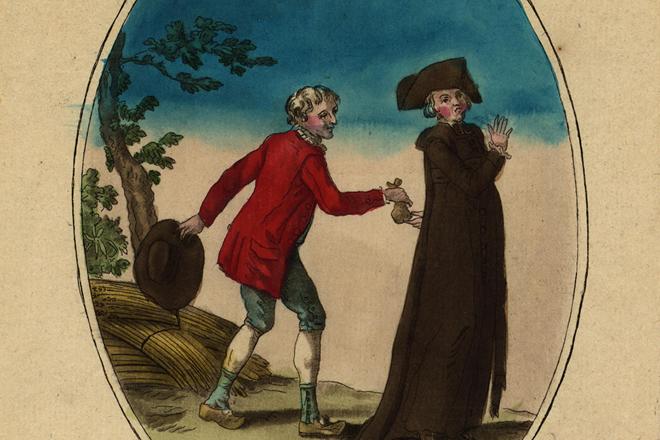
L’intégration fiscale des États du Béarnais au royaume de France aux 17e et 18e siècles
Carnaval royal
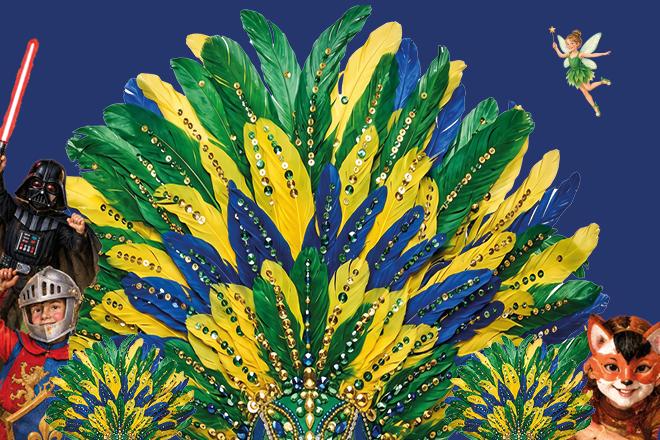
Youpi ! C'est carnaval !