



Donde nace el jardín en movimiento // Where the Mobile Garden Is Born
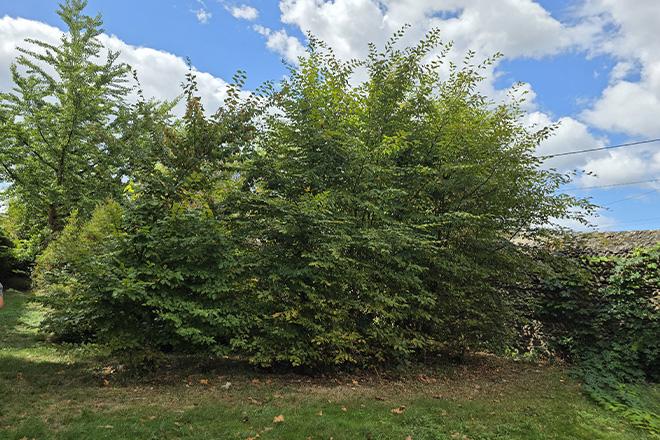
Fue aquí, a orillas del Creuse, en el lugar de su infancia, donde Gilles Clément construyó su casa. Aquí inventó el jardín móvil. Un jardín que cambia de forma con las estaciones y las plantas, según la imaginación de su creador.
Para mí, este jardín es una prolongación de mí mismo. Es el momento en que me olvido por completo de mí mismo. Y, sobre todo, es el único lugar donde puedo sorprenderme.
En otras palabras, coloco plantas de las que me olvido por completo. Es el caso de los bulbos, las lianas y cosas por el estilo. Y esta puesta en escena me sorprende primero a mí, antes de que pueda sorprender a la gente a la que se las planto.
A veces mi inspiración viene de la extravagancia de una sola planta o de una combinación de dos o tres plantas. También puede ser algo visto a gran distancia, como la forma de un árbol o una luz. Mi inspiración aquí no viene de una forma o un diseño.
Es el lugar, los japoneses lo llaman “tayori”, es una emoción que viene del lugar y se refuerza con la posición correcta de las plantas. No puedo decir que haya diseñado este jardín de antemano, por ejemplo. Es un trabajo en curso.
Pero, ¿hay que conocer bien las plantas?
Sí, es más que importante. Es fundamental. Estoy totalmente convencido de ello, firmemente en ese principio. No sólo es importante porque es una fuente constante de enriquecimiento, también es un desafío constante. Cada vez que descubrimos una nueva planta, no sabemos cómo se va a comportar.
Es interesante. También es una fuente de inspiración. Pero sobre todo es importante porque para resolver un punto concreto que tienes en mente, un concepto, una imagen que quieres conseguir, vas a recurrir al considerable potencial de las plantas durante dos, tres, diez plantas. No más, sino las plantas adecuadas para resolver ese problema concreto. Si sólo conoces unas veinte en total, siempre vas a utilizar las mismas para el mismo fin, y eso es malo.
¿Las plantas son como las palabras?
Exactamente. Es una cuestión de riqueza de vocabulario. Hay que elegir las palabras adecuadas, como las plantas, para decir algo concreto. Si no tienes nada que decir, el problema no se plantea.
---
It was here, on the banks of the Creuse, in the place of his childhood, that Gilles Clément built his house. Here he invented the mobile garden. A garden that changes shape with the seasons and the plants, according to the imagination of its creator.
For me, this garden is an extension of myself. It is the moment when I completely forget myself. And above all, it is the only place where I can surprise myself.
In other words, I plant things that I completely forget about. This is the case with bulbs, vines and the like. And this staging surprises me first, before it can surprise the people I plant them for.
Sometimes my inspiration comes from the extravagance of a single plant or a combination of two or three plants. It can also be something seen from a distance, such as the shape of a tree or a light. My inspiration here does not come from a shape or design.
It is the place, which the Japanese call “tayori”, an emotion that comes from the place and is reinforced by the correct positioning of the plants. I cannot say that I designed this garden in advance, for example. It is a work in progress.
But do you need to know plants well?
Yes, it's more than important. It's essential. I'm totally convinced of that, firmly committed to that principle. Not only is it important because it's a constant source of enrichment, it's also a constant challenge. Every time we discover a new plant, we don't know how it's going to behave.
It's interesting. It's also a source of inspiration. But above all, it's important because to solve a specific problem you have in mind, a concept, an image you want to achieve, you're going to draw on the considerable potential of plants for two, three, ten plants. No more, but the right plants to solve that specific problem. If you only know about twenty in total, you're always going to use the same ones for the same purpose, and that's bad.
Are plants like words?
Exactly. It's a question of vocabulary richness. You have to choose the right words, like plants, to say something specific. If you have nothing to say, the problem does not arise.
À découvrir
Harmonisation paysagère de l’ancienne pépinière
Tours in English
¡Visitas comentadas del castillo en español en diciembre!